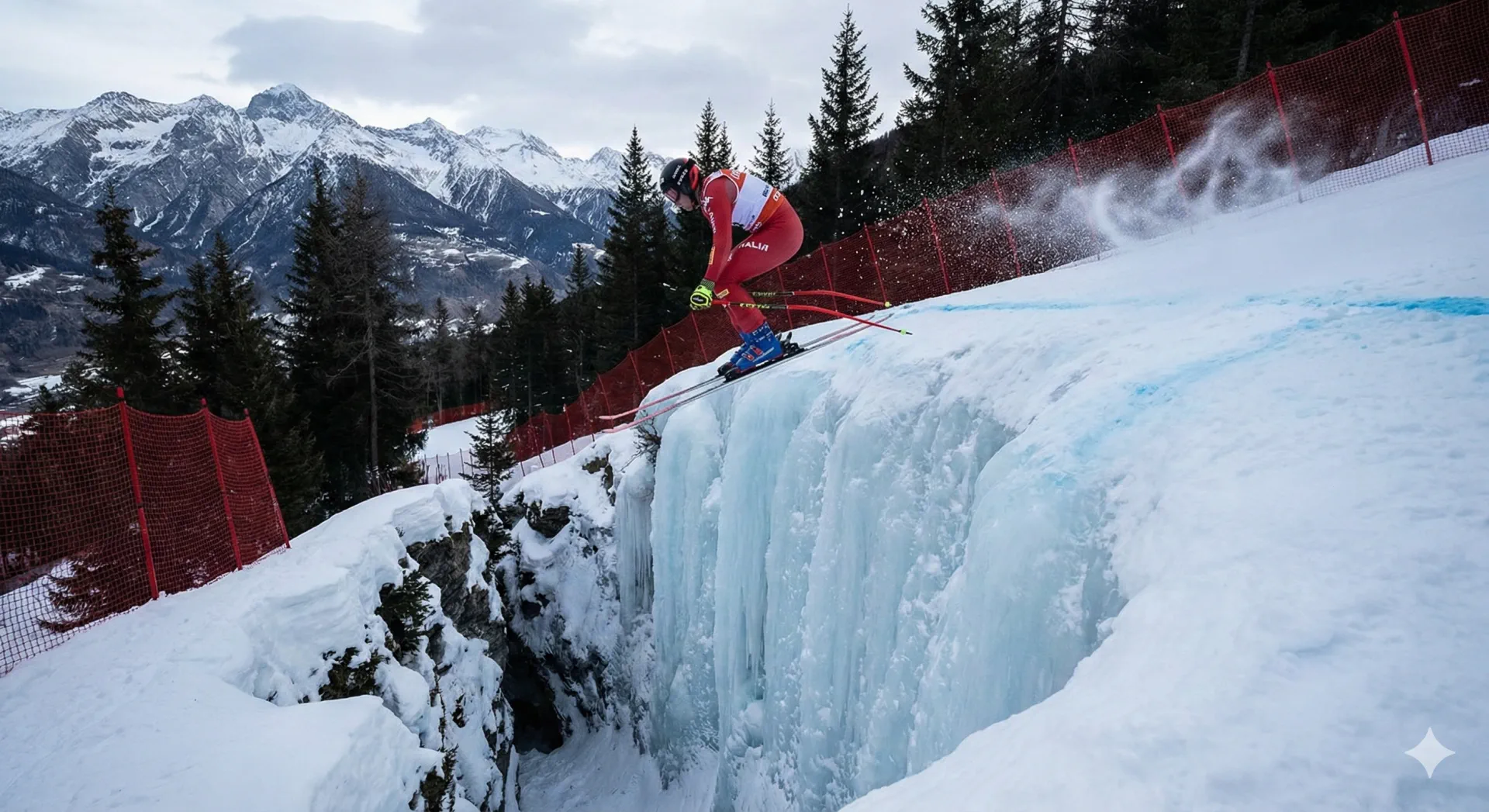
The biathlon venue for the 2026 Milan-Cortina Olympics will be the South Tyrolean town of Anterselva.
On the map, it’s unmistakably Italy. But visiting the site reveals a peculiar sight.
- The top letter on signs is the German Antholz.
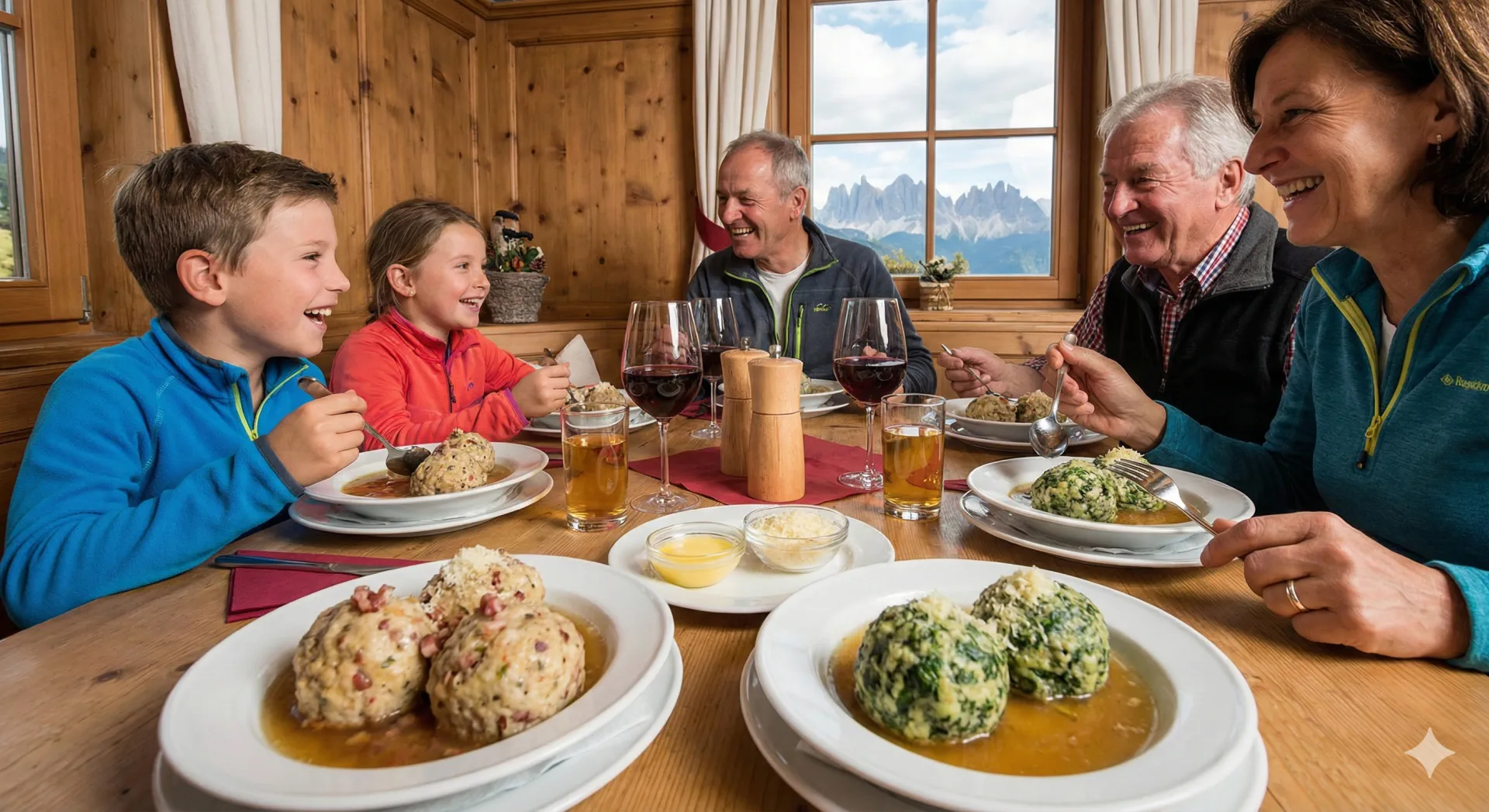
- Restaurant menus feature Knödel (dumplings) and sausages, not pasta.
And coaches wearing Italian team jerseys yell instructions at athletes in German.
Moreover, Italian national hero and tennis world champion Jannik Sinner, born in Anterselva, speaks German as his mother tongue.
Why do these Italians speak German? Behind it lies a little-known history of bloodshed and the strongest sporting genes born from it.
The tragedy of “Tyrol,” erased from the map.
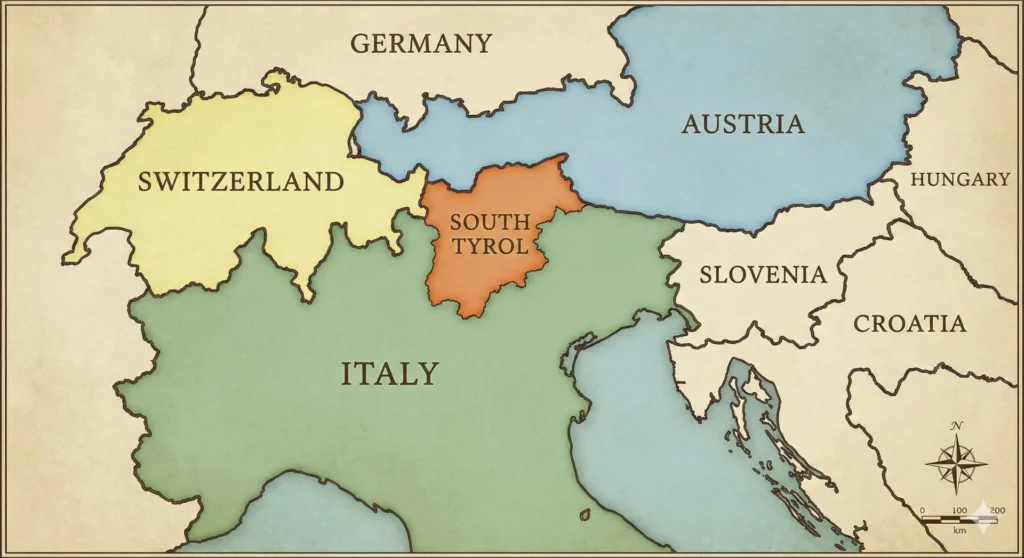
The official name of this region is South Tyrol (Südtirol), known as Alto Adige in Italian.
Originally part of the Austro-Hungarian Empire, it was ceded to Italy after World War I under the Treaty of Saint-Germain in 1919.
Words Guarded in the Basement
The tragedy began under Mussolini’s regime during the Fascist era. A policy of thorough Italianization was enforced.
Place names were forcibly changed to Italian, German language education in schools was banned, and speaking German in public was suppressed.
Yet the residents did not yield. They opened secret underground classrooms—catacomb schools—and continued teaching German to their children.
By the 1960s, bomb attacks known as the “Night of Fire” erupted. Yet after prolonged dialogue, the region now enjoys some of the world’s most advanced autonomy. While part of Italy, it has steadfastly preserved its German-speaking culture.
The hybrid strength that gave birth to “Sina”
This autonomous province, with a population of just 530,000, is a powerhouse region that has earned Italy many of its Winter Olympic medals.
The secret to its strength lies in a hybrid character forged by history.
Northern discipline × Southern passion = South Tyrol’s strength
Local sports officials say this:
We possess both Germanic ‘discipline and planning’ and Latin ‘passion and creativity’.
Tennis player Jannik Sinner was one of Italy’s top ski champions in his youth. The “chilling tactical vision” and “explosive power in crucial moments” seen in his play are truly products of South Tyrol’s history.
Furthermore, the strength of this region is supported by an environment where athletes like biathlon queen Dorothea Wierer can dedicate themselves to competition as national civil servants. Many athletes belong to sports divisions within organizations like the military police (Carabinieri), providing them with prospects for a second career after retirement.
The fervor at the Olympic venue “Alto Adige”
The biathlon mecca, Antholz (Anterselva), is a place where South Tyrolean culture is concentrated.
Nestled deep in the valley, this venue sits at an altitude of 1,600 meters, offering a harsh environment with thin air. Yet during the competition, it fills with tens of thousands of fans who love beer and music.
Here, the spectators are bilingual too. They wave Italian flags while singing German folk songs.
“Italian yet not Italian”—this unique atmosphere is the venue’s greatest charm.
A third identity born from the border
The people of South Tyrol do not call themselves “Italians” or “Austrians,” but rather “South Tyroleans” (Südtiroler).
In 2026, when the Italian national anthem plays on the podium at Alta Pusteria, pay attention to the words the athletes hum along to.
Therein lies the spirit of the mountain people—a spirit that, despite being tossed about by larger powers, has steadfastly preserved their culture and pride.